.jpg)
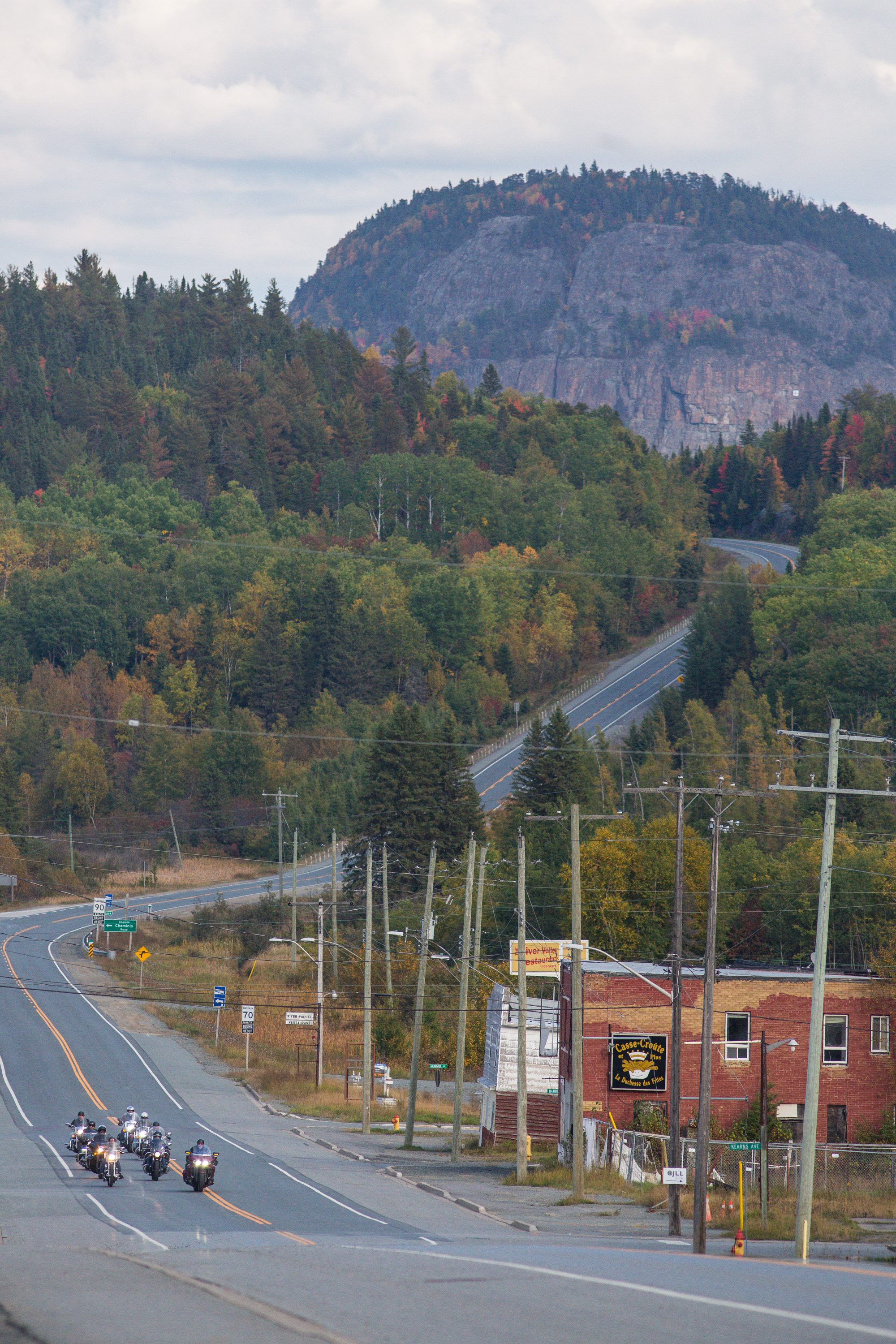
You've seen the videos. A hundred riders and sixty-some machines pouring out of a town of two thousand people, nosing through river crossings, clawing up sand hills, and coming home to a banquet where somebody's grandmother is handing out door prizes. Now you want in.
Good. This guide is the boring, useful stuff: the how, the where, the what-to-bring. If you want the campfire version of the story, I already wrote that one. This is the one you print out and stick to the fridge.
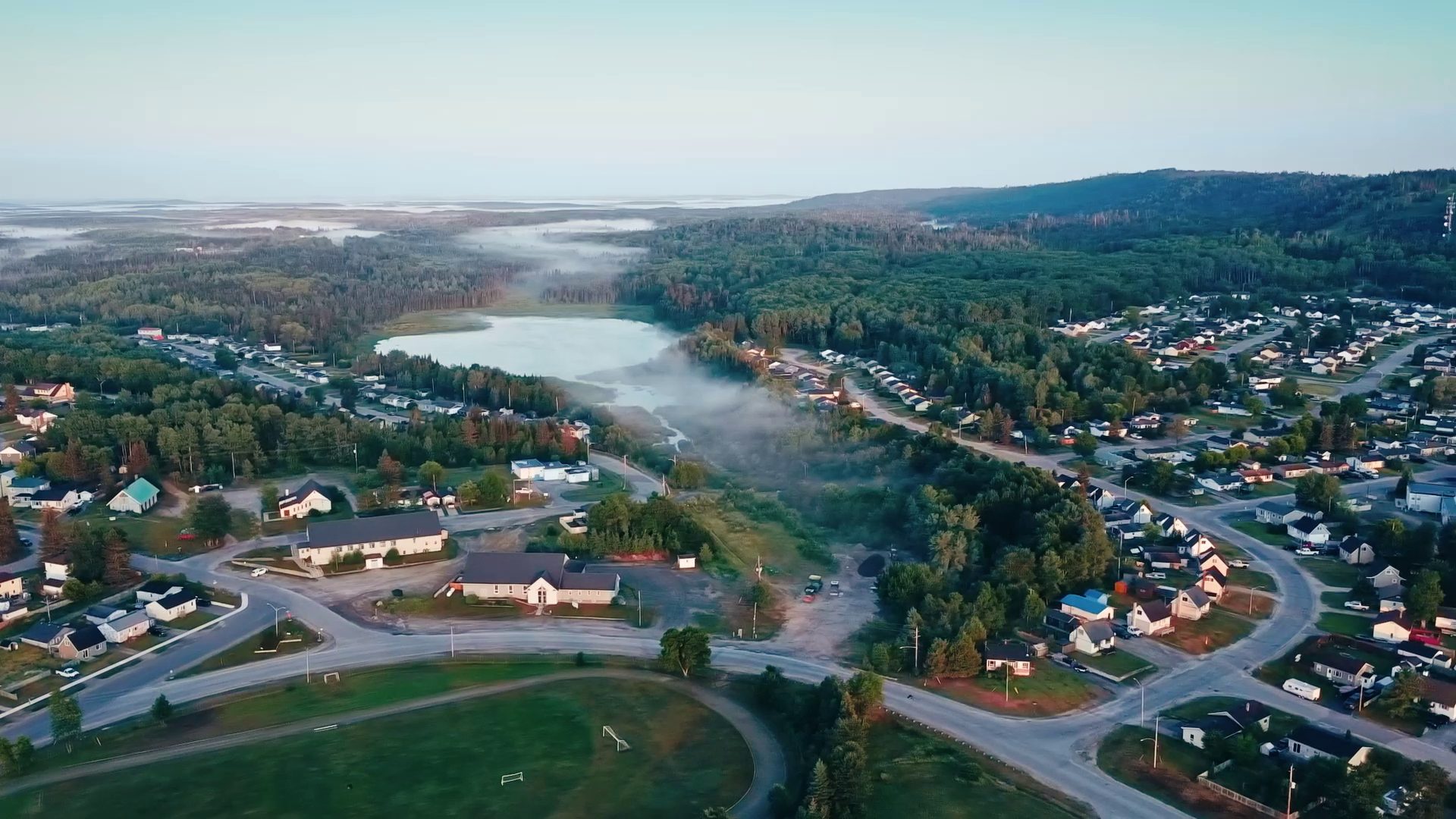
First, where the heck is Manitouwadge?
North of Lake Superior, tucked up Highway 614 about fifty kilometres off the Trans-Canada, roughly halfway between Marathon and White River. It's a former mining town that has quietly become one of the best off-road playgrounds in Superior Country, with an endless web of old logging and hydro-line roads fanning out from town in every direction.
Drive times, hauling a trailer and stopping for coffee: about four hours from Thunder Bay, five from Sault Ste. Marie, and a solid two days from the GTA if you want to arrive with your sanity intact. Once you turn north off Highway 17 onto the 614, there's nothing until town, but there is fuel in Manitouwadge, so you don't need to sweat the last fifty kilometres.
When is it?
The Jamboree runs the third weekend of July. The 2026 edition, the tenth anniversary, ran July 17 to 19 with the main ride on Saturday the 18th. Friday is arrival, sign-in, and a get-together; Saturday is the whole show, from morning departure to the evening banquet; Sunday is for nursing a sore back and pointing the truck home.
Registration has historically opened around May 1 and the ride fills. Follow the Manitouwadge ATV Jamboree Facebook page or check playintheextreme.ca for the exact dates and the moment the form goes live.
How do I register, and what does it cost?
Registration for 2026 was $140 per person through an online form, and that price gets you a lot: the guided ride, lunch on the trail, dinner, the banquet, and your poker hand. Machines are limited to two people, so a driver and a passenger in a side-by-side each register separately. Riders must be at least 12 years old for insurance reasons.
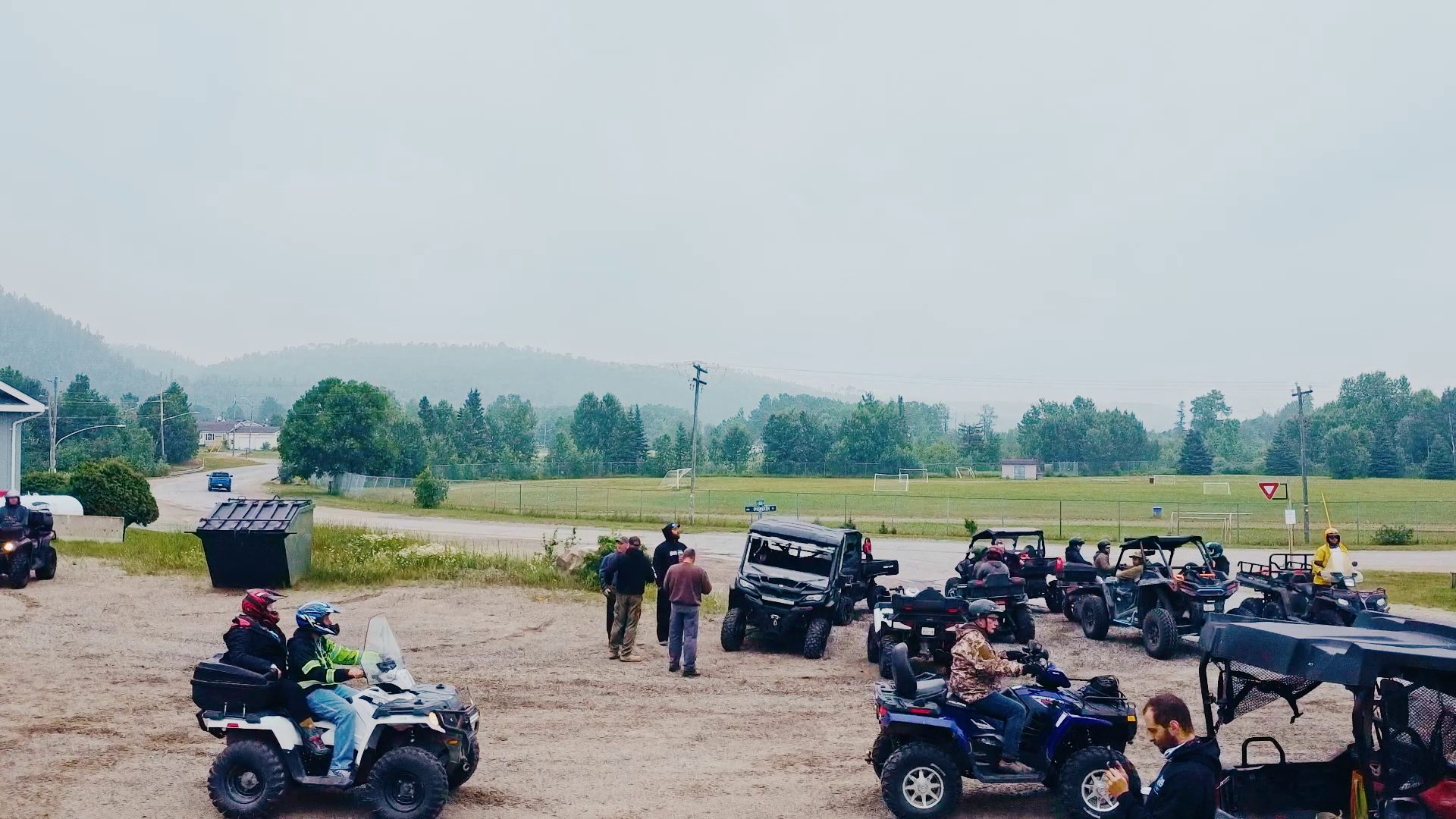
On the morning of the ride, sign-in happens early, around 8 a.m., in a lot in town where the whole convoy staging spectacle unfolds. Show up with your confirmation, a full tank, and your paperwork in order. Sixty-seven machines lined up and idling in the morning sun is a sight worth being early for.
The event is put on by the Manitouwadge Economic Development Corporation with a volunteer crew that has been doing this since 2015. If you have a question the Facebook page doesn't answer, email info@playintheextreme.ca and a human will write you back.
What is a poker run, exactly?
If you've never done one, here's the deal. Along the route there are checkpoints, and at each one you draw a playing card. By the end of the day you've built a poker hand. Best hand at the banquet wins, and the Jamboree's prize table has historically paid out real money for the top three hands, thousands of dollars in recent years, funded by local businesses and sponsors.
Nobody is racing. There is no clock. The checkpoints are where the group bunches up, swaps stories, and eats a sandwich. The poker part is an excuse for the day to have a shape, and for the banquet to have a moment where everybody holds their breath while the hands get read out. Draw badly and you still had a hell of a ride. Draw a full house and you're buying dinner for the whole table.
What are the trails like? Am I good enough?
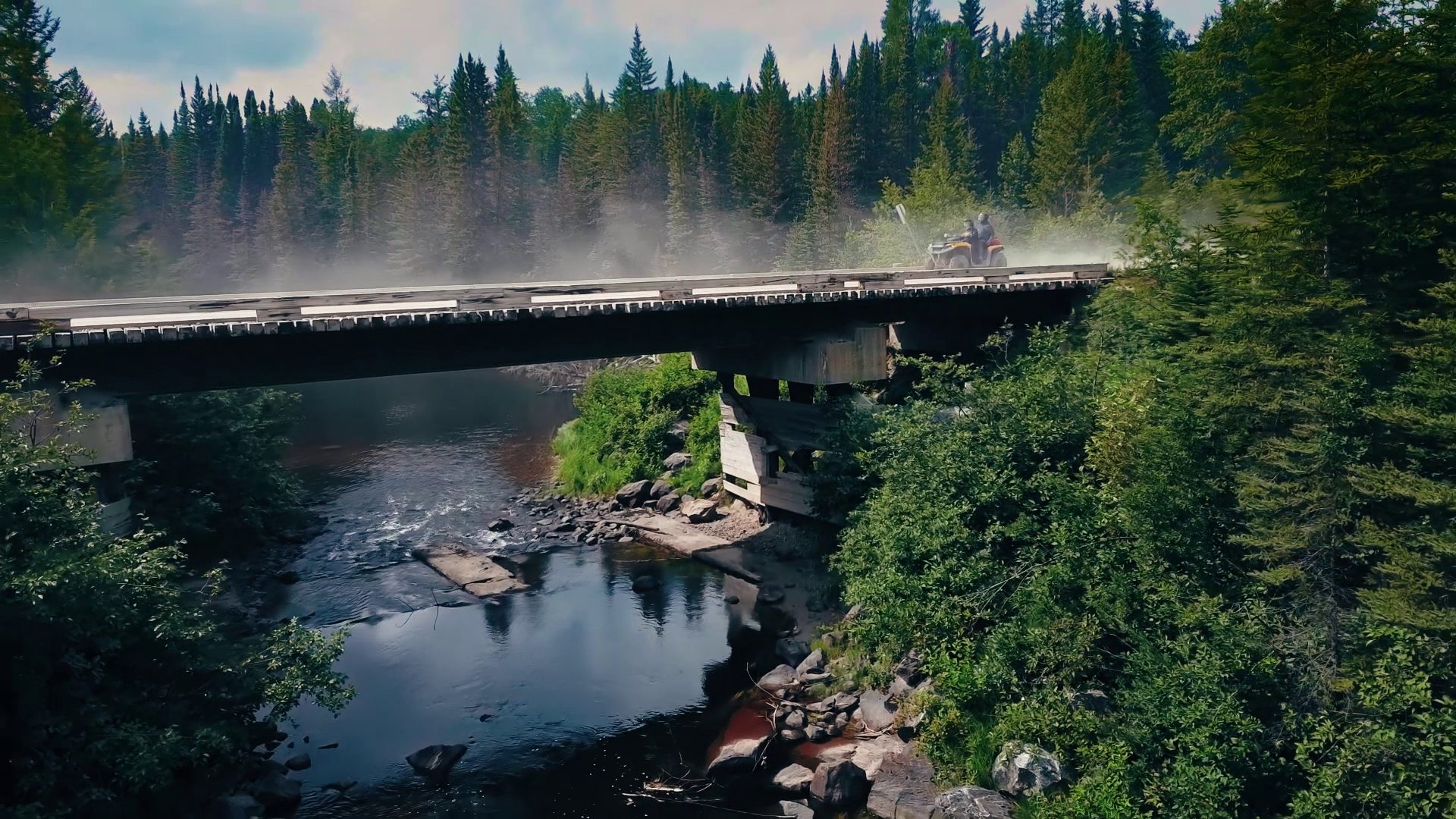
The organizers describe it as 100 kilometres of rugged backcountry, and they aren't lying. The route changes every year depending on forest conditions and what the volunteer trail crew has been able to clear, but expect a mix: fast gravel logging roads, sandy pits and quarry drops, hydro-line two-track, some genuine mud, and at least one river crossing where the water comes over your hood. A popular route in past years has run out to Manitou Falls, and there's a wooden bridge over a set of rapids that will be the best photo you take all summer.
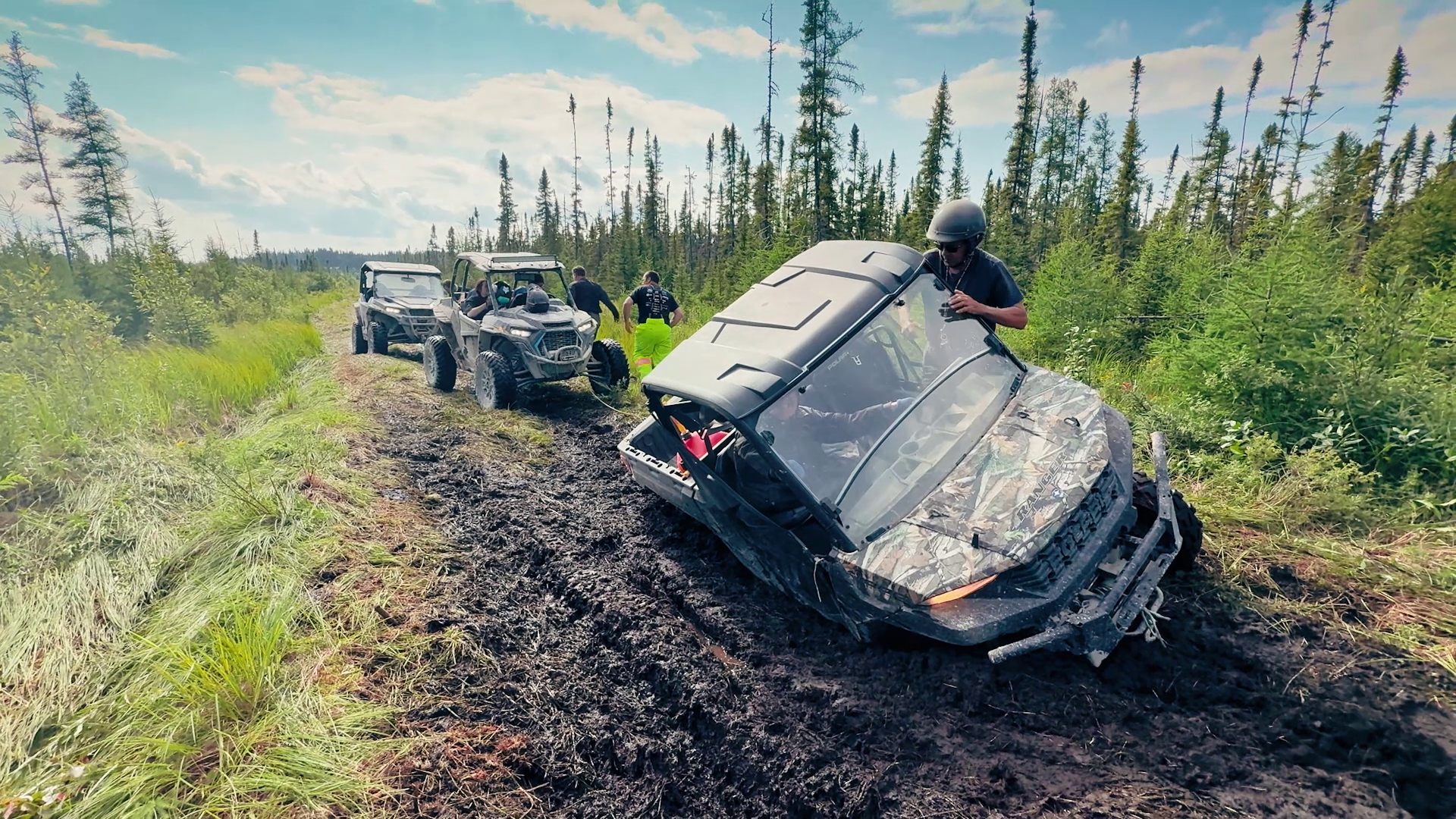
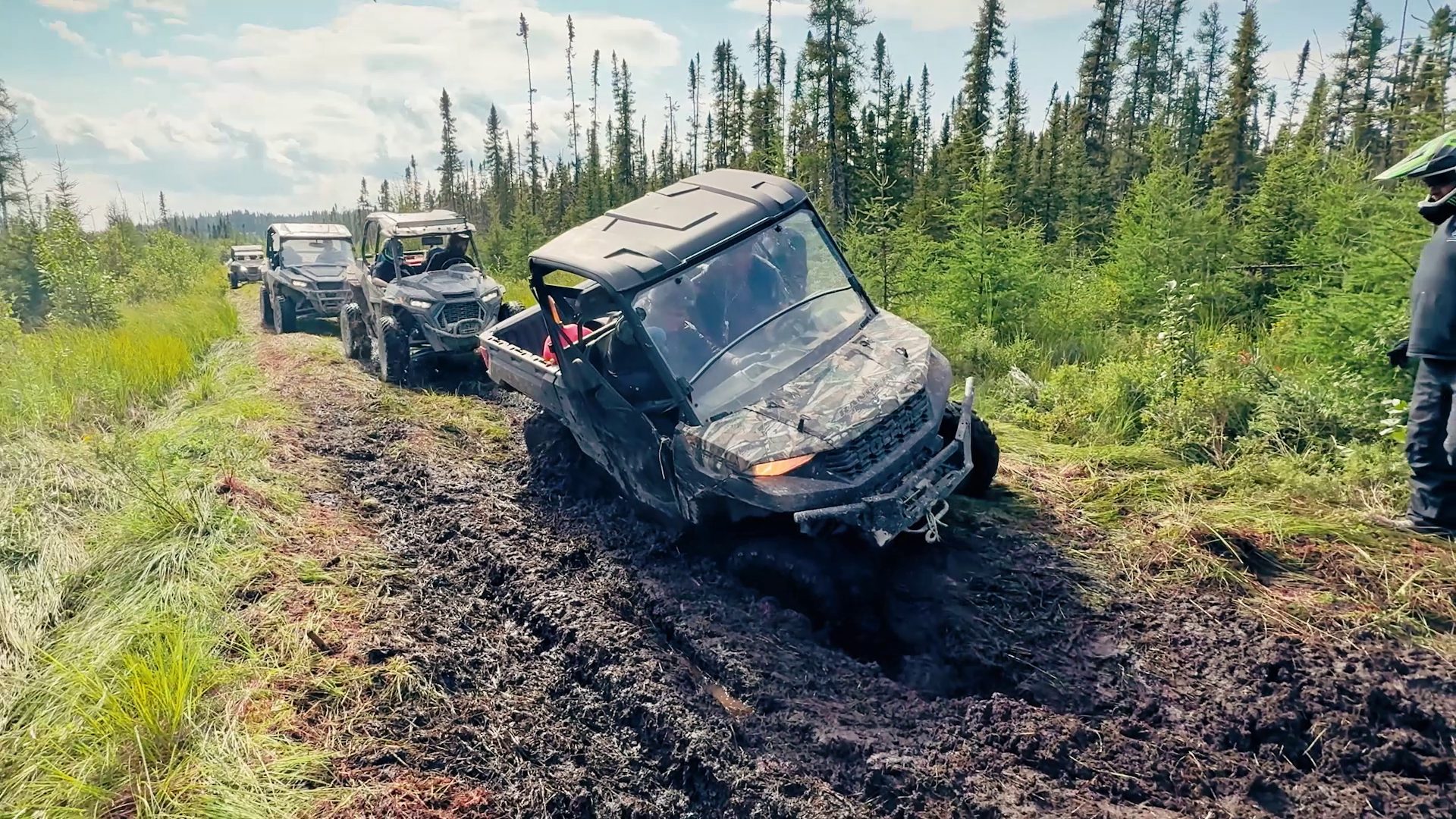
The honest answer on skill level: this is beginner-friendly in the sense that you're never alone. Experienced trail coordinators lead and sweep, groups are split by pace, and if you break down there are forty people behind you with tools and opinions. It is not beginner-friendly in the sense that the trail is groomed. You will get wet, you will get stuck, and somebody in your group will need a tug. The official advice is "bring your winch, or your guts." Bring the winch.
Trailer in or ride in?
Trailer. Full stop.
Manitouwadge is remote enough that there is no realistic trail route in from another town, and the Trans-Canada is not the place for a quad. Everyone hauls. That means you need a tow vehicle, a trailer, and a plan for where that rig lives for the weekend. Ask the organizers when you register; the town is used to a hundred trailers arriving at once and will point you somewhere sensible.
If you don't own a machine, or yours is a long way from ready, the regional dealer that supports the event is Back Country Motorsports & Marine in Wawa, about two and a half hours back down the highway. Call well ahead. Rentals in this part of the North are not a walk-in proposition.
Where do I sleep when the town has almost no beds?
This is the question that trips up first-timers, so read this part twice.
Manitouwadge has a handful of places to stay, and Jamboree weekend fills every one of them fast. Book the same day you register, not a month later. The in-town options are the Select Inn Motel (renovated rooms, continental breakfast), Turner's Northwood Adventures (1-866-417-8687), the Northern Comfort Bed and Breakfast (807-826-4345), and a scattering of vacation rentals and Airbnbs, including Manitouwadge Retreat, The Beach House, Heron Place, and Red Pine Vacation Rentals. The township's accommodation page has the full list.
If the motels are gone, you have four moves. One, camp: there's a small campground near town with a few electrical sites, and this is Crown-land country, so a self-sufficient rig can find a legal spot in the bush if you know the rules. Two, bring the RV: plenty of riders arrange with locals to park a camper on private property for the weekend, and the organizers will help you make the connection. Three, ask about billeting. Locals have been known to open spare rooms for riders, which is about as Northern Ontario as it gets. Four, stay in Marathon on the Trans-Canada and commute the hour up the 614 each morning. It's a long day but it works, and Marathon has a lot more beds.
What should I bring?
Your machine, registered, insured, and plated for Ontario trail riding, with a DOT-approved helmet for every rider. Then the stuff people forget.
For the machine: a winch or at least a tow strap and shackles, a tire plug kit and a 12-volt compressor, spare belt if you're in a CVT side-by-side, a basic tool roll, zip ties, and a full tank plus a jerry can. A hundred kilometres of sand and mud drinks fuel faster than the gravel-road math suggests.
For you: rain gear even if the forecast is perfect, a dry change of clothes for the banquet, bug spray with actual DEET in it, sunscreen, a spare pair of gloves, and a small first-aid kit. Pack a cooler for Friday night and Sunday morning; lunch and dinner Saturday are covered by your registration, but the rest of the weekend is on you and the grocery store keeps small-town hours.
For the ride: a phone in a waterproof case, a paper map or downloaded offline maps because your GPS will shrug in the boreal, and cash for the raffle table at the banquet. You'll want to buy tickets. Trust me.
What's the vibe?
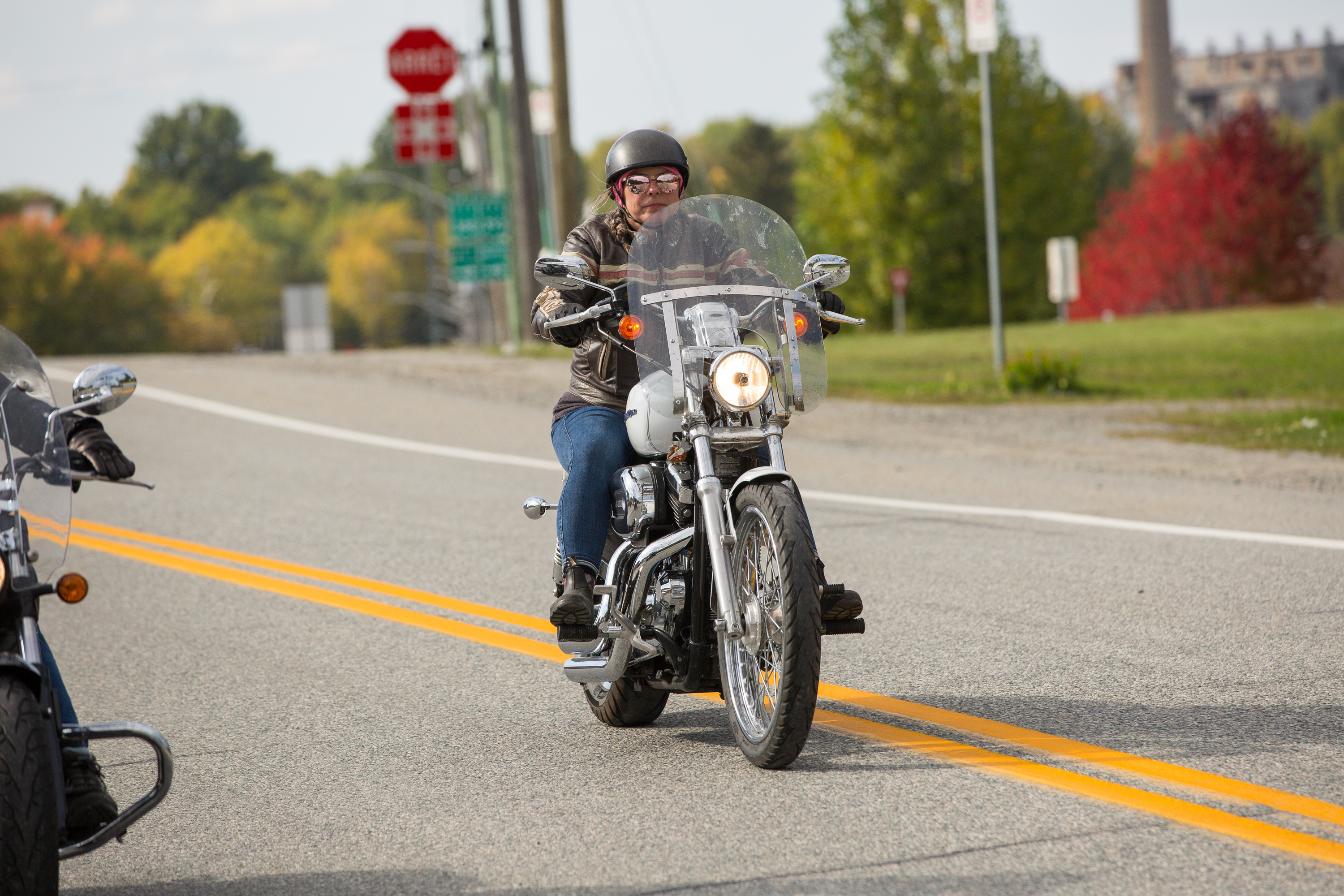
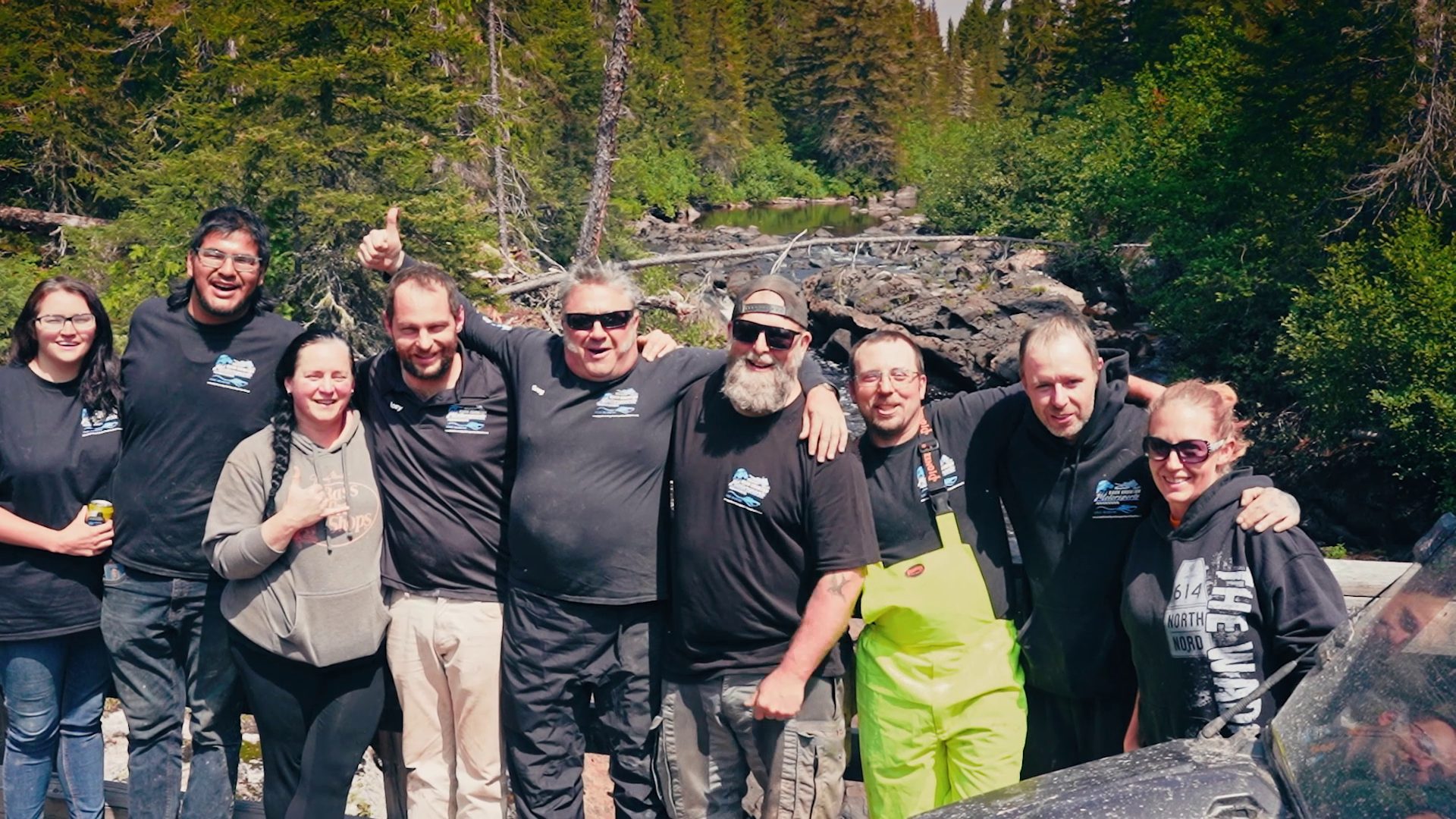
About seventy percent of riders come from out of town, from places like Ignace, Kapuskasing, Sudbury, and the Sault, and every year a few more come from further afield. It's families, couples, retired guys on tricked-out side-by-sides, and a growing crew of women riders who are often the fastest on the trail. Nobody cares what you ride or how new it is. They care that you showed up and that you'll stop for the next person who's stuck.
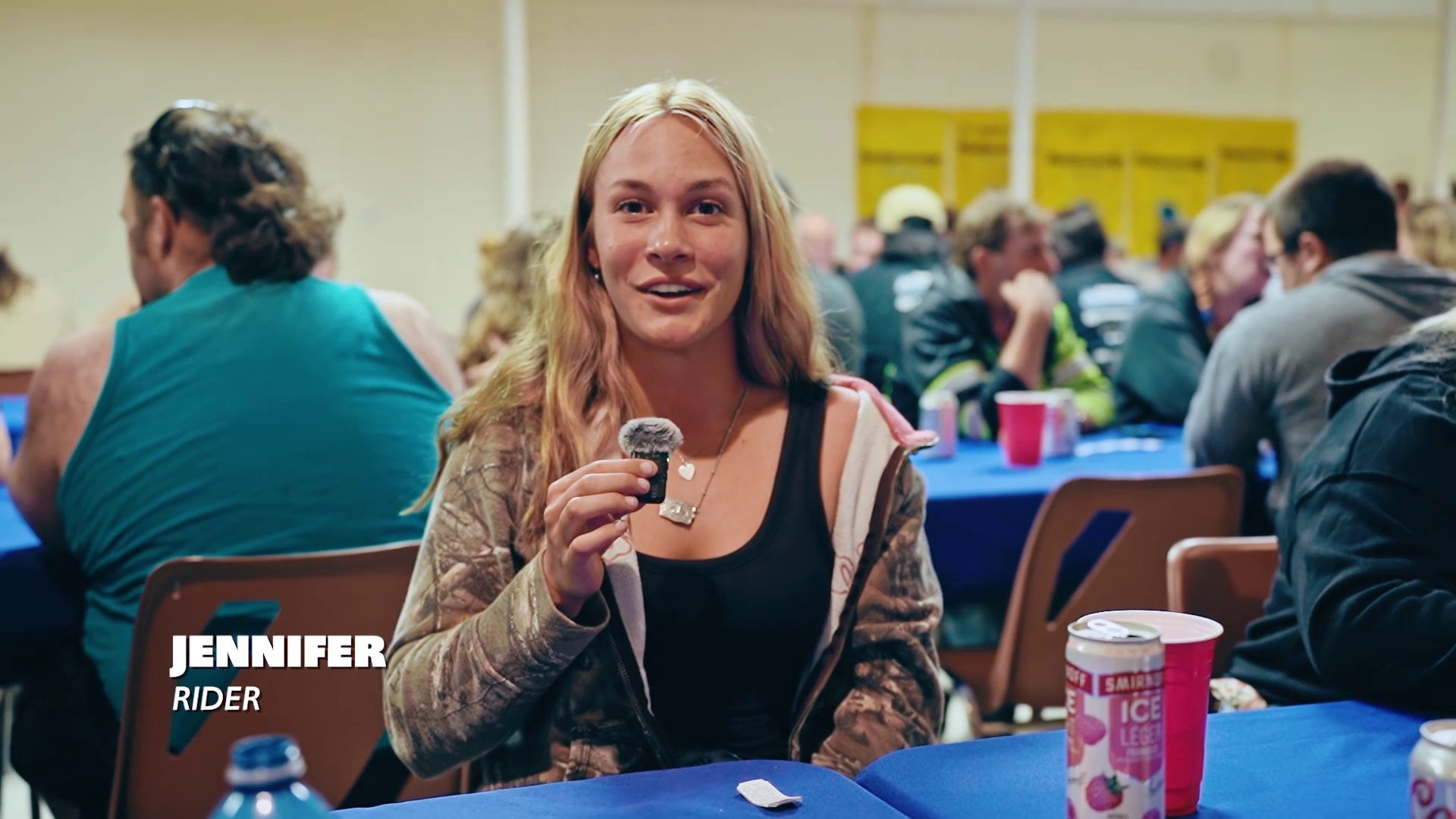
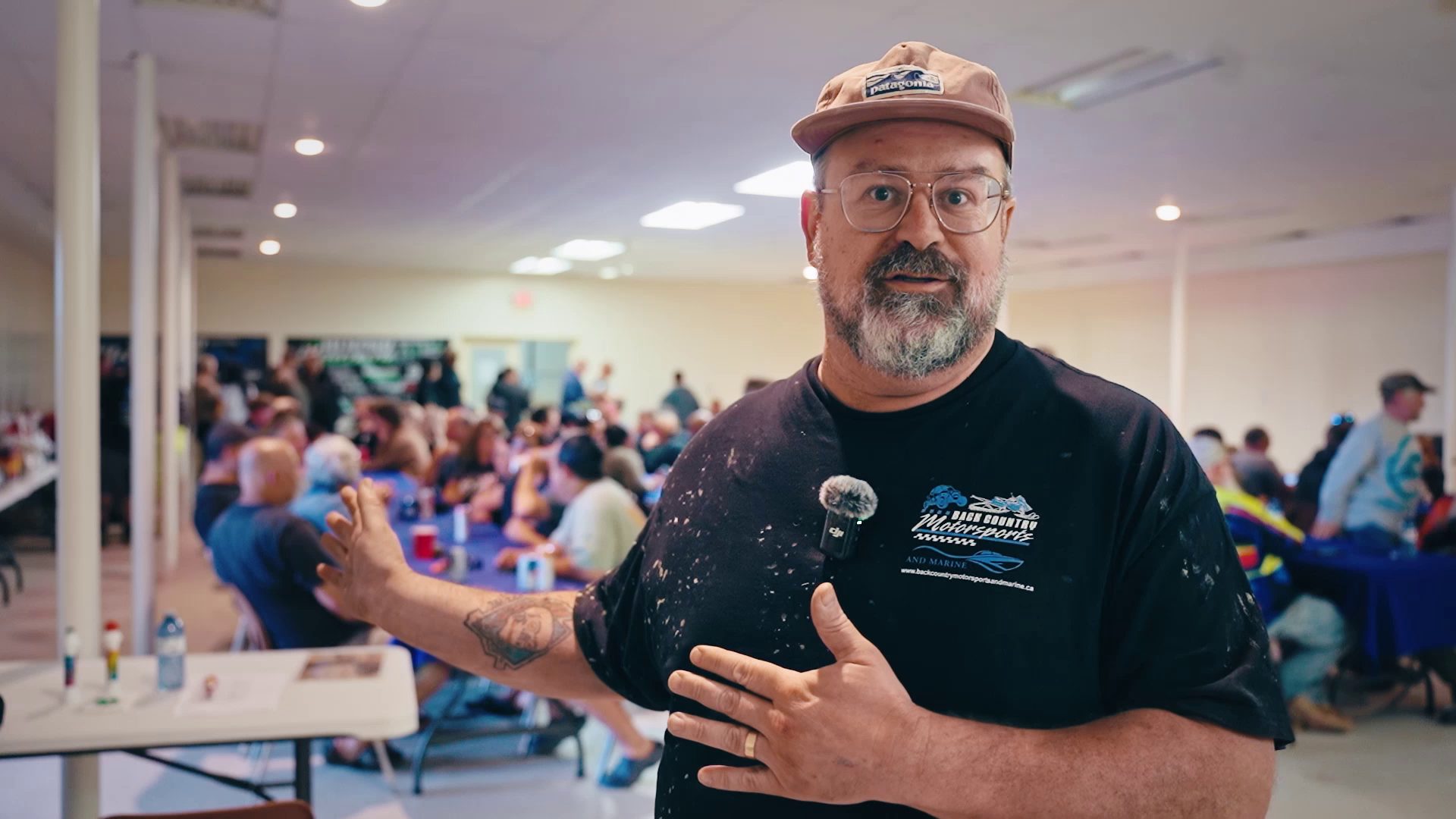
The banquet is the payoff. A community hall full of sunburned, mud-spattered people eating a hot dinner while a volunteer reads out poker hands and somebody's kid hands out prizes. Ten years in, this thing has the feel of a family reunion that happens to have a hundred ATVs parked outside.
Your checklist
Register the day the form opens. Book a bed the same hour. Confirm your machine is plated and insured for Ontario. Gas up in town when you arrive. Arrive Friday. Be at sign-in by 8 a.m. Saturday with a winch, a jerry can, and dry clothes for the banquet. Draw your cards. Stop for the person who's stuck. Buy raffle tickets.
Then start planning next year, because you will.
Mike Jacobs rides and writes for What A Ride, covering powersports touring across Ontario. Dates, pricing, and accommodation details reflect the 2026 event; confirm current information with the organizers before you travel.